Can beer brewing equipment Scale with Your Brewery?
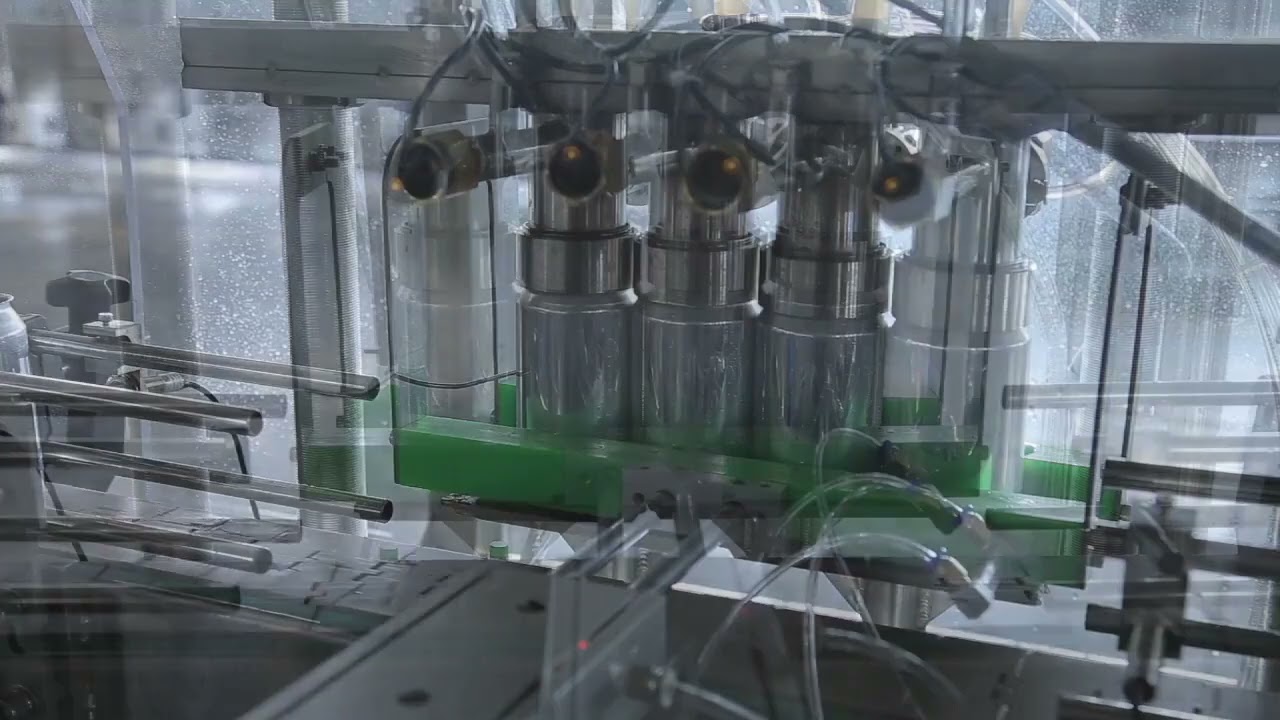
Yes. Beer brewing equipment can scale with a brewery when capacity is planned as a system rather than as a single tank size. A 10 BBL brewhouse, for example, can produce 20 BBL per day with two brews, but annual output will still depend on fermenter count, fermentation time, packaging rate, cooling capacity, cleaning cycles, and available shifts. A brewery moving from 1,000 to 3,000 BBL/year may need more FV volume before it needs a larger brewhouse. The practical target is to add capacity in stages while keeping utilities, controls, pipework, drainage, floor space, and packaging capacity expandable. all equipment.
A scalable brewery starts with a production target that can be measured in barrels per year, batches per week, and tank turns per month. One U.S. barrel equals 31 gallons, so a 10 BBL batch produces about 310 gallons before process losses. Two brews per day give 20 BBL of nominal wort output, but that number should not be treated as annual production capacity without checking fermentation and packaging limits.
The U.S. market also shows why capacity planning should be based on realistic sales assumptions. Craft brewers produced 23.1 million barrels in 2024, down 3.9% from 2023, while 9,796 craft breweries were operating that year. In 2025, the Brewers Association reported 9,578 craft breweries, a 2.9% decrease from 2024. A brewery adding tanks should therefore have a specific production reason for each capacity increase rather than assuming larger equipment will automatically create more sales.
“A 10 BBL brewhouse does not equal 10 BBL of weekly production.”
Daily brewing frequency changes the calculation. A brewery running one 10 BBL brew per day for five days has a nominal 50 BBL weekly brewhouse output. Running two brews per day for the same five days raises that figure to 100 BBL, but only when mash, hot liquor, wort cooling, cleaning, labor, and transfer schedules can support the second batch. This is why a larger number of production hours can sometimes add capacity before a larger brewhouse is required.
Fermentation space usually needs to be checked next. If beer remains in fermentation for 10 to 14 days, a brewery producing 100 BBL per week needs substantially more FV volume than one producing the same amount with a 7-day average tank cycle. A simple planning range can be built from weekly production multiplied by average fermentation occupancy. For example, 100 BBL/week with a 14-day cycle calls for about 200 BBL of working fermentation volume before allowing for scheduling differences.
The equipment mix also depends on beer style. A lager-focused brewery may hold beer for a longer period than an ale-focused operation, while a mixed program can create uneven tank demand during seasonal releases. A brewery making 60 BBL per week across six brands may prefer six 10 BBL vessels for flexibility, while a brewery selling one flagship beer may use fewer larger vessels. The same annual volume can therefore require very different tank layouts.
A useful planning table looks like this:
| Production target | Brewing schedule | Example fermentation volume | Expansion point |
|---|---|---|---|
| 1,000 BBL/year | 20 BBL/week | 40–60 BBL | Add 1–2 FVs |
| 3,000 BBL/year | 60 BBL/week | 120–180 BBL | Add cellar tanks |
| 5,000 BBL/year | 100 BBL/week | 200–300 BBL | Review cooling and packaging |
| 10,000 BBL/year | 190–200 BBL/week | 380–600 BBL | Review brewhouse and utilities |
These figures are planning examples rather than fixed engineering specifications. Fermentation temperature, yeast management, beer style, tank occupancy, cleaning time, and packaging schedules can shift the required volume by 20% or more. That range is large enough to justify building a capacity model before ordering new tanks.
The next question is whether the utilities can support the added vessels. A new 60 BBL fermenter does not operate by itself. It needs glycol, power, instrumentation, cleaning connections, product lines, compressed air where applicable, CO₂ service, drainage, and physical access. If three new tanks are added in 2026, the original utility system should be checked for the combined future load rather than only the tank purchase price.
Cooling deserves special attention because fermentation and cold-side operations can require capacity at the same time. A brewery may have six existing FVs and enough glycol capacity under normal conditions, then add four more tanks and discover that crash cooling several vessels together takes longer than planned. That reduces scheduling flexibility even though the new tank volume looks sufficient on paper.
“Tank volume should be expanded together with the systems that make tank volume usable.”
Cleaning capacity also changes with scale. Ten tanks create a different cleaning schedule from four tanks, especially when fermenters, bright tanks, brite piping, hoses, and packaging equipment share the same CIP resources. Brewers Association guidance treats sanitation as a brewery-wide quality issue rather than something limited to tank cleaning. Packaging is also the final direct-contact stage before the beer reaches consumers, so cleaning and traceability need to remain consistent as equipment numbers rise.
A brewery may therefore benefit from modular Beer Production Equipment that can be expanded in defined stages. A first installation might include an appropriately sized brewhouse, four fermenters, one bright tank, and utility connections for another four vessels. A second stage can add those tanks without moving the original brewhouse or rebuilding the entire cellar.
Control systems should be planned in the same way. A panel designed with no spare inputs, outputs, network capacity, or physical space can make later tank additions more expensive. For a brewery expecting to grow by 50% within three years, reserving panel capacity and communication points during the first installation can reduce later rewiring and control changes.
Packaging can become the next production limit. A brewery with enough cellar volume for 5,000 BBL/year may still package only 2,500 BBL if the filler, keg washer, labeling station, or canning line cannot keep pace. Packaging time includes setup, format changes, cleaning, changeovers, maintenance, and actual filling. In 2024, 6-packs represented 46% of BA Craft volume share among the tracked package sizes, while singles also gained share, showing why packaging format should be included in capacity planning.
This is why expansion should be tested across the full production sequence:
-
Milling and grist handling
-
Mash and lautering
-
Boiling and whirlpool
-
Wort cooling
-
Fermentation
-
Conditioning and bright beer storage
-
CIP
-
Kegging, canning, or bottling
-
Cold storage and shipment
The slowest practical stage sets the usable output. If the brewhouse can produce 8,000 BBL per year but fermentation capacity supports only 5,000 BBL, buying a still larger brewhouse does not solve the production gap.
Facility dimensions should also be measured before equipment orders are finalized. A tank may fit on a floor drawing but fail during installation because of doorway width, ceiling height, structural loading, forklift access, or limited service clearance. A 2025 expansion that requires removing walls or relocating utilities can cost much more than reserving the same area during the original build.
Labor should be included in the same calculation. If production increases from 3,000 to 6,000 BBL per year, the number of transfers, CIP cycles, packaging hours, quality checks, and tank movements also rises. Automation can reduce some repetitive work, but a larger automated system still needs operators, maintenance, sanitation procedures, and documented controls.
Market data supports a staged approach rather than automatic oversizing. The Brewers Association reported that 54% of surveyed breweries in its 2024 midyear survey said they had grown in the first half of that year, while the broader craft sector later recorded a 3.9% production decline for full-year 2024. Production plans therefore need to reflect the brewery's own sales, SKU mix, and distribution commitments rather than relying on industry growth alone.
For a brewery planning its next equipment purchase, five numbers should be updated at least once per quarter:
| Measurement | Example trigger for review |
|---|---|
| Annual production | 70–80% of planned system capacity |
| Fermenter occupancy | Above 80% for 2–3 months |
| Packaging utilization | Above 75–85% of available hours |
| Glycol utilization | Regularly above 75% |
| CIP schedule | Cleaning regularly delaying production |
These percentages are practical management thresholds, not universal engineering limits. Actual limits should come from equipment specifications, utility design, sanitation requirements, and operating records.
The most scalable setup is usually not the largest one. It is a brewery where the first-stage equipment can support present production while the layout, utilities, controls, and connection points allow another 25%, 50%, or 100% of capacity to be added without replacing the equipment already in service. That approach also gives management clearer checkpoints for when the next tanks, chiller, packaging system, or brewhouse upgrade is justified.