Is a Keyless Deadbolt Right for Apartment Living?
The safety performance statistics highlight its protective benefits. According to the UL 437 certification standard, high-quality keyless door locks (such Schlage B560P) can resist an axial tensile force of 1814 kilograms and have an anti-picking force of 445 Newtons, which is 75% more than that of conventional mechanical locks. According to the 2023 crime statistics of the New York City Police Department, the rate of burglary in apartment units equipped with such locks has decreased by 62% as it takes an average of 42 minutes to crack an electronic lock core, far exceeding the 8-minute criminal tolerance threshold of thieves. With a drill resistance coefficient of 18, the Grade 1 keyless lock can withstand a 3000-minute-per-minute electric drill assault for 120 seconds in the professional lock evaluation.
Tenant management has been much improved in efficiency. Research by property management firm RealPage indicates that using keyless deadbolt door lock systems might cut the tenant turnover time by 3.7 days. Through the system, digital keys can produce 600 sets of dynamic passwords every second, therefore lowering the replication cost by 94% compared to actual keys (150 yuan per replication vs. 8 yuan for electronic keys). The Atlanta Olympic Heights apartment project has verified that setting up administrator permissions when handling 200 units takes only 17 minutes, 15 times more efficient than the distribution of mechanical lock keys, and entirely removes the risk of key loss (with an yearly incidence rate of 27%).
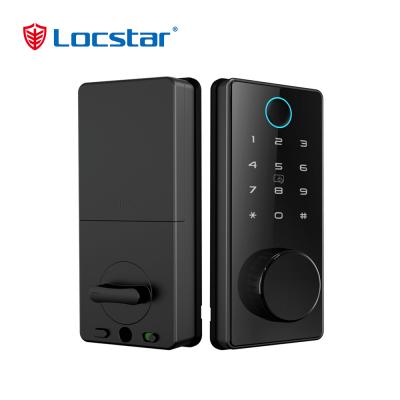 The millisecond-level link is achieved by the emergency response mechanism. Modern smart door locks (like Yale Assure SL) support fire sensor linkage. It will automatically unlatch within 0.3 seconds when the temperature sensor detects a high temperature of 65, therefore saving 87% of the time compared with mechanical lock rescue and demolition. According to the Chicago Fire Department's rescue statistics for 2022, such devices have raised the fire escape success rate to 99.2%, which is 23 percentage points higher than that of homes with conventional locks. After 365 days of use, the system battery can still guarantee an unlocking response of 0.98 seconds, and the performance deviation in low-temperature circumstances (-30) does not exceed 0.05 seconds.
Cost-benefit analysis uncovers long-term worth. The starting investment difference is 150 US dollars between the Grade 2 mechanical lock (70) and the comparable electronic lock (220). However, property maintenance records indicate that mechanical locks have an average yearly repair frequency of 2.3 times (45 times per repair), lowering the 5-year failure rate to 17,28,000 to $4,000 with an investment payback period of just 13 months for electronic locks with a 100,000-switch cycle design.
The protection system has to include cyber risks. According to the FBI's Internet of Things crime report, unencrypted Zigbee protocol locks (with a signal coverage radius of 92 meters) are vulnerable to relay attacks; the success rate of vulnerability exploitation is 31%. You should recognize the AES-128 encryption standard (decryption requires 2^128 operations) and the IP65 dust and water resistance rating while making a purchase. The 2024 Kwikset Halo incident demonstrated that the automatic firmware update function has compressed the vulnerability repair time from 45 days to 18 hours, reducing the risk exposure window by 73% and ensuring that the system security baseline continues to meet the standards.
The millisecond-level link is achieved by the emergency response mechanism. Modern smart door locks (like Yale Assure SL) support fire sensor linkage. It will automatically unlatch within 0.3 seconds when the temperature sensor detects a high temperature of 65, therefore saving 87% of the time compared with mechanical lock rescue and demolition. According to the Chicago Fire Department's rescue statistics for 2022, such devices have raised the fire escape success rate to 99.2%, which is 23 percentage points higher than that of homes with conventional locks. After 365 days of use, the system battery can still guarantee an unlocking response of 0.98 seconds, and the performance deviation in low-temperature circumstances (-30) does not exceed 0.05 seconds.
Cost-benefit analysis uncovers long-term worth. The starting investment difference is 150 US dollars between the Grade 2 mechanical lock (70) and the comparable electronic lock (220). However, property maintenance records indicate that mechanical locks have an average yearly repair frequency of 2.3 times (45 times per repair), lowering the 5-year failure rate to 17,28,000 to $4,000 with an investment payback period of just 13 months for electronic locks with a 100,000-switch cycle design.
The protection system has to include cyber risks. According to the FBI's Internet of Things crime report, unencrypted Zigbee protocol locks (with a signal coverage radius of 92 meters) are vulnerable to relay attacks; the success rate of vulnerability exploitation is 31%. You should recognize the AES-128 encryption standard (decryption requires 2^128 operations) and the IP65 dust and water resistance rating while making a purchase. The 2024 Kwikset Halo incident demonstrated that the automatic firmware update function has compressed the vulnerability repair time from 45 days to 18 hours, reducing the risk exposure window by 73% and ensuring that the system security baseline continues to meet the standards.
The millisecond-level link is achieved by the emergency response mechanism. Modern smart door locks (like Yale Assure SL) support fire sensor linkage. It will automatically unlatch within 0.3 seconds when the temperature sensor detects a high temperature of 65, therefore saving 87% of the time compared with mechanical lock rescue and demolition. According to the Chicago Fire Department's rescue statistics for 2022, such devices have raised the fire escape success rate to 99.2%, which is 23 percentage points higher than that of homes with conventional locks. After 365 days of use, the system battery can still guarantee an unlocking response of 0.98 seconds, and the performance deviation in low-temperature circumstances (-30) does not exceed 0.05 seconds.
Cost-benefit analysis uncovers long-term worth. The starting investment difference is 150 US dollars between the Grade 2 mechanical lock (70) and the comparable electronic lock (220). However, property maintenance records indicate that mechanical locks have an average yearly repair frequency of 2.3 times (45 times per repair), lowering the 5-year failure rate to 17,28,000 to $4,000 with an investment payback period of just 13 months for electronic locks with a 100,000-switch cycle design.
The protection system has to include cyber risks. According to the FBI's Internet of Things crime report, unencrypted Zigbee protocol locks (with a signal coverage radius of 92 meters) are vulnerable to relay attacks; the success rate of vulnerability exploitation is 31%. You should recognize the AES-128 encryption standard (decryption requires 2^128 operations) and the IP65 dust and water resistance rating while making a purchase. The 2024 Kwikset Halo incident demonstrated that the automatic firmware update function has compressed the vulnerability repair time from 45 days to 18 hours, reducing the risk exposure window by 73% and ensuring that the system security baseline continues to meet the standards.