Wholesale EV Charging Equipment A Buyers Checklist for Distributors
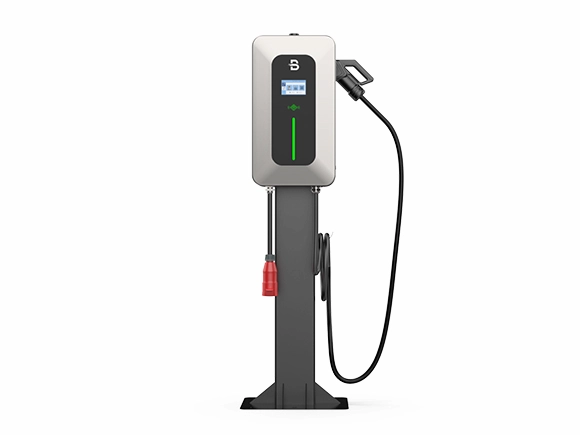
Distributors need more than a competitive unit price. They need products that fit the local grid, vehicle fleet, installer practices, software ecosystem, and warranty expectations. A disciplined buying checklist reduces the risk of carrying inventory that cannot be certified, commissioned, or supported in the target market.
Define the market before the model list
Start with the countries, customer types, and installation settings the product range must serve. Record local input voltage and frequency, connector standards, communication options, enclosure requirements, payment expectations, and required certifications. Separate residential, workplace, fleet, public AC, and public DC applications because they need different functions and support models.
Avoid building the range around too many near-identical variants. A smaller set of platforms with controlled cable, socket, connector, mounting, and power options can simplify training and spare parts. Ask the manufacturer which differences are hardware changes, firmware settings, or factory configurations, and whether those differences affect certification.
Inspect the product and documentation package
Request model-specific certificates, datasheets, dimensional drawings, installation manuals, wiring diagrams, labels, packaging information, and service procedures. Verify that the model number on the certificate matches the product being quoted. For networked chargers, review the backend, mobile application, data ownership, server location, firmware update process, and supported OCPP version.
Samples should be inspected by technical staff and installers. Check terminal access, cable routing, gland sizes, mounting tolerances, screen visibility, connector holsters, weather sealing, and replacement of common components. A product that is difficult to install can erase a small purchase-price advantage through field labor and service calls.
Clarify commercial and support terms
The quotation should state minimum order quantity, lead time, payment terms, Incoterms, packaging, tooling or customization charges, warranty start date, and spare-parts policy. Confirm whether software subscriptions, SIM connectivity, payment processing, or platform branding create recurring costs. Agree on how firmware changes and discontinued components will be managed for products already in the field.
Distributors sourcing wholesale EV charging equipment can use a broad AC and DC portfolio as a benchmark for checking whether one supplier can cover portable, wall-mounted, commercial AC, fast DC, and higher-power applications. Breadth is useful only if the associated certification, training, and parts support are equally clear.
Protect the after-sales workflow
Define first-line and second-line support. The distributor may handle site checks and replacement, while the manufacturer reviews logs and authorizes warranty action. Set response targets, escalation contacts, evidence requirements, and replacement procedures before sales begin. Training should cover installation, commissioning, backend setup, fault diagnosis, and safe isolation.
Finally, run a controlled pilot with real installers and users. Record installation time, configuration issues, network stability, charging success, alarm quality, and support response. Use the results to finalize the model range, stock level, sales claims, and service process.